Tamburlaine at the Arcola Theatre review ***

c6-tgghwyaafl_y

Tamburlaine

Arcola Theatre, 6th April 2017

In many ways this was a brave piece of theatre. Tamburlaine, in two parts, was Christopher Marlowe’s first performed solo play, written in his early 20s, and which changed the course of English drama and massively influenced all the big boys of Elizabethan/Jacobean drama including our Will. Blank verse with lots of tasty, hyperbolic flourish, big themes, heaps of action, proper heroes and villains. No wonder the punters loved him.

And obviously he, Marlowe,  was proper rock n roll – drink and baccy, gluttony, fighting, sexy times across the spectrum, heresy/atheism, conning, spying. Lust for life indeed. And this play is about the life and works of Mongol leader Timur (recast as Scythian), which mostly consisted of trying to conquer the entire known world, and who was also, I suspect, pretty rock n roll as well, and not a man plagued by self-doubt.

So no half measures here. Yellow Earth Theatre is a British East Asian company which has risen to the challenge in conjunction with young director Ng Choon Ping, who has adapted the plays to strip them back to a manageable couple of hours. In the Arcola’s smaller space with just a light wall, a few well chosen props and the taiko percussion of Joji Hirota, they do an admirable job of bringing the play to life. Given the streamlining of the text, the doubling/tripling/quadrupling of some of some characters and the abrupt shifts in location there are times when the action teeters towards a kind of hyped up, declamatory travelogue (Persia, Scythia, Egypt, Turkey, Africa, even Blighty gets a mention), but for the most part the cast does a great job in telling the story and particularly delivering the verse.

The production does capture the interplay between the personal and the geo-political and the tragedy of ambition. It also smartly draws out the innate conflict between differing world-views, Christian, Muslim and Judaism, and how these world-views serve the interests of power. This is not a play that goes easy on religion, and reminds us to beware not to underestimate a man on a mission, in this case being the “scourge of god” – the contemporary parallels are obvious. And it explores the inevitable disappointment of succession in dynastic family (always a potboiler though the solution to a workshy son here might strike some as rather drastic). Hard to single out from a uniformly strong cast but Lourdes Faberes as the eponymous, fearsome tyrant, and Leo Wan in multiple roles, caught my eye.

So all in all a fine effort which might have been better served by more resource. Anyway, Yellow Earth are now firmly on my radar. This is off on a tour to Oxford, Colchester and Birmingham in the next couple of weeks so definitely worth a look.

As an aside when I was a sad, friendless, little tween I had an unhealthy obsession with the rise of the Mongol Empire. It you are/were similar I highly recommend you seek out the film Mongol: The Rise to Power of Genghis Khan, a co-production led by a Russia directing team which explores the early life of its subject. Very satisfying.


The American Dream at the British Museum review ****

american20dream_304_280

The American Dream: pop to the present

British Museum, 31st March 2017

So where can you see a stunning survey of pretty much all the major artists, across all the major movements of modern and contemporary art, in the US over the last seven or so decades. The British Museum that’s where. I realise the element of surprise in my rhetoric may have been somewhat diluted by the titles above but you get the idea. This exhibition is focussed solely on printmaking, but given that has proved a vital medium for so many key artists over this period, and given that The British Museum has a few gems in this medium tucked away and begged gems from elsewhere, it means they can mount a humdinger.

It takes in the pop of Andy Warhol, Clas Oldenburg and Roy Lichtenstein, through the gods that are Jasper Johns, Jim Dine, Robert Rauschenberg, then iconic Ed Ruscha works, a bit of Bruce Nauman, some key Abstract Impressionists (not so much my cup of tea), marvellous pure Abstraction and Minimalism (Josef Albers, Donald Judd, Sol LeWit, Richard Serra), a dose of the photorealism of Chuck Close, Richard Estes and Alex Katz and then more contemporary works (many new to me with Kiki Smith the absolute stand-out).

Clearly as there is no paint or sculpture involved you only get a part of the story but prints are so immediately accessible and so easy to comprehend that you won’t feel the absence. There are maybe more straight lines here than with a survey through paint. But for me that is no bad thing as I like straight lines and it stops those loudmouthed later abstract impressionists taking over the whole shebang. Moreover the curators have smartly brought to the fore the key studios and collaborators who made the screen-printed works possible. Showing the techniques involved in the making of this art was, for this learner at least, a masterstroke.

If I had to single out just a few things for you attention, and to highlight why you should go along, then it would be Jasper Johns’s flags, alphabets and targets – just keep staring – Rauschenberg’s Stoned Moon series, 1969 and 1970 literally there in front of you, Jim Dine’s everyday curiosities, Ed Ruscha’s gas stations (you’ve seen the images before trust me) and his “droplet” prints (which I have wanted to see), Donald Judd’s squares and Sol LeWit’s lines and, as I say above, all of Kiki Smith’s works. I know I should try to be more critical but it’s tough to do so with something that has been as well put together as this exhibition.

There’s a lovely catalogue, a bargain at £15, if you wave your Art Pass you get in half-price, and remember the BM opens late on a Friday, so no jostling with bored students.

The British Museum boffins are on a roll. The South Africa exhibition prior to this was another smart piece of curating, Sicily last year was outstanding (my favourite exhibition of the year – and fortuitous preparation for an expedition to Palermo, Cefalu and Monreale en famille) and the Celts in 2015 put up a good fight too. Less enamoured of the Sunken Cities exhibition but still worth seeing.

Stewart Lee: Content Provider review *****

stewart-lee

Stewart Lee: Content Provider

G Live Guildford, 10th March 2017

There are only a few stand up comedians I would pay money to see (or even go for free for that matter). The vast majority of the observational comedy types off the telly cannot sustainably make me laugh or think over a couple of hours and I don’t put enough effort in to find out about the “lesser lights” of the comedy world. Moreover comedy is the one genre where I need a chum to go with, that’s the nature of this live experience. Finally I prioritise theatre, art and classical music performance over books, film, comedy, dance, opera and people chatting about stuff. There’s only so much time.

However, with Stewart Lee and Daniel Kitson at the cerebral, reflexive end of the spectrum and Tim Vine and Milton Jones at the punning end I have more than enough to keep me happy.

And Stewart Lee is by some way the funniest man alive or ever. It’s probably to do with content (same age, sameish world view), delivery (mocking, occasionally vicious) and technique (he is just really good at his job). In this year’s show he sets his sights for a tiny bit on Brexit and Trump (in a smart repeat), the value of his own material (I confess I probably laughed the most at the economics of his DVD sales – that’s the accountant in me), bondage in days gone by (historicism as a device to mock the youth in hyper-consumerist capitalism) and narcissism generally (always a target for scorn from those of us who deny or are embarrassed by our own attention seeking behaviours). Sometimes direct, sometimes in collusion with the audience (or parts thereof), always the deconstruction. Who else would use Caspar David Friedrich’s Wanderer to frame a show – a figure looking away from his apparent audience? Oh and the reference to a post-laughs show – brilliant.

The astounding thing is you kind of know what you are going to get in theory with Mr Lee but you go in completely blind to the practice (praxis?) of how it will be delivered. And he just keeps on toying with you even when you have see him enough times to be wary and to think you know what’s coming next. Much like The Fall I would say. His favourite band. And mine. Or like a comedy version of the Frankfurt School (look it up).

Oh and once or twice he genuinely laughed at his own jokes. Which was quite nice. Maybe he is starting to age gracefully. I hope not.

Anyway if you know then you will be going/have gone to see this. If you don’t then it is easy enough to find out if you will like him on t’internet. If you are tempted you will not regret it. The SO came along for the first time – “yes he was pretty funny” – trust me that is as ringing an endorsement as it is possible to get.

Next year’s show will also get five stars as will the year after that, and the show after that.

A Midsummer Night’s Dream at the Young Vic review ****

midsummer-nights-dream-young-vic-153-700x455

A Midsummer Night’s Dream

Young Vic Theatre, 29th March 2017

Earthy. That pretty much sums it up. I don’t generally hunt out productions of the Dream. It isn’t my favourite Shakespeare and I am not sure what surprises cast and director can generally bring to the table.

However once again (as with his Measure to Measure last year also at the Young Vic) director Joe Hill-Gibbons proved me wrong as I hoped he would. Thing is he has an idea/s and he runs with it/them. Obviously fairy dust Dreams are just plain silly. But if you are going down the darker route then follow through on it. This production certainly did that.

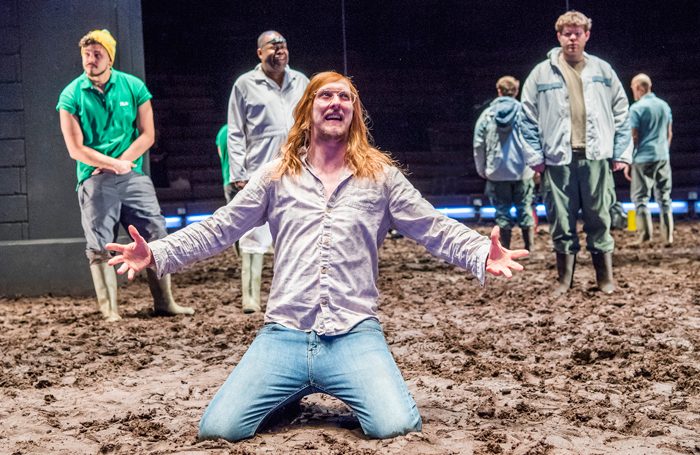
Having the cast stuck in a stage full of mud definitely brought the story back to earth. Having the 20 odd cast all on stage throughout the 2 hours also anchored events as they drifted in and out of the action. The fighting couples had real venom. Bottom and Titania had a proper canoodle. Theseus/Oberon and Hippolyta/Titania had a weariness in their spats. Our Puck was just doing his job, not always with puckish enthusiasm. So like I say firmly rooted in the real world which then means the dreams are properly located in the Freudian and not the fairy, with all the attendant sex and violence impulses. Little but effective flourishes, Bottom’s tights for ears, man boobs and a bottle for a c*ck, Puck’s string vest, a properly compact Hermia. A bit of text tightening and rearrangement and some quality performances and this was delightfully clear. And the mechanicals were rightly kept in check. Funny enough but without distracting.

So a great success for me though I can see why it might wind others up something rotten. There were a bunch of school kids there at the matinee I attended. Well behaved but going in bored. Now I am not saying they were converted but this was clear enough to begin to draw many of them in. And that’s the acid test.

Wouldn’t want to single any of the cast out (all 4 lovers were great) but Leo Bill was a quality Bottom and I am a big fan of Anastasia Hille (in the Barbican Hamlet and NT The Effect previously). Lloyd Hutchison also captured the Puck/Egeus that the director I think demanded to a tee.

So I await with great interest Mr Hill-Gibbins next assignment.


The top 10 historical streets in London

Fleet Street

So this post is undeniably sad. What is even sadder is there may well be more of the same in future. And top 10 lists are also pathetic. An attempt to impose your view on others without any semblance of argument in a format designed to foster inattention. My guess is 90%+ of top 10 lists on the internet are compiled by blokes. Any self-regarding woman will be getting on with the stuff of life whilst we fellas sit around complaining about how much we have to do and generally f**king up the world. Must be that damaged chromosome.

Anyway on with the list.

I have lived in London for all of my adult life and have one way or another had a good sniff around most of its areas and “villages”. In the last couple of years I have had reason to delve even more deeply into this marvellous city. This reflects both the time I fortunately have on my hands and the need to be more active. So I have taken up walking. I would love to say with a vengeance, but that would be untrue as I am still mightily unfit. I would also love to say I am a fully fledged flaneur but that would also be a porky since I am a willing prisoner of the ordered walk and the desire to tick off as much as I can.

Filling your lungs with nitrogen oxides might not strike most readers as the healthiest of pursuits. But trust me, getting this fat f**ker out and about more than compensates.

So how to capture the infinite beauty and variety of that London.

Well today I offer up my current top 10 London “historical” streets. First note it is the current list which unfortunately for you means it may be updated or “improved”. Secondly “historical”. What does that mean? For me simply the pleasing interplay of built architecture/aesthetics and, possibly, important past events. No cut off point but don’t expect Canary Wharf to figure any time soon (even though there are jewels amongst all the 1980s post-modernist garbage in the Wharf). Finally it sort of is in order but in a vague, directional (ha,ha) way. It does, I admit, look a bit like the perfect day out for the location manager on some sort of bastard child Dickens/Austen mini-series but that’s surely no bad thing.

Before we start a recommendation. The three volumes of “London’s Hidden Walks” by Stephen Millar. Just brilliant. You can buy them anywhere. Follow these and you honestly will see most everything worth seeing  I think in London. 

Oh and a warning. I am about to get all Georgian on your ass. There’s a reason why all modernist and post-modernist architects end up living in Georgian houses. It’s because they are the prettiest.

So let’s crack on.

1. Fleet Street, EC4

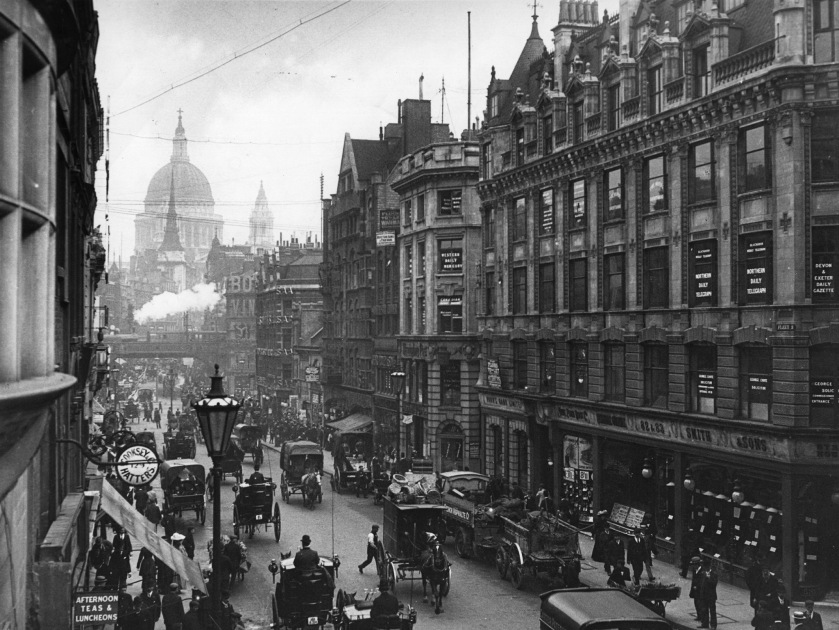
Yep. The best street in London in my view is pretty much right in the middle (don’t argue pedants) and is not, I freely admit, that pretty. So what makes it so special. Well it is full to the brim with history. And their are a lot of interesting buildings of varying architectural styles. And it houses, and has housed, a lot of vital and powerful institutions. And anyone who is anyone in London’s history has likely passed through. It is a tad on the noisy side and the traffic can be terrible but an informed stroll from one end to the other is rewarding on so many levels. The “Street of Shame” as it was when national newspapers dominated here, but hard to think of anywhere else so vital to London’s narrative.

So from West to East what draws me in?

First up St Clement Danes. I know, I know it is technically still the Strand (in fact quite a bit of the western end is but I don’t care) but if I turn around at the start it is looming over me and, like St Mary the Strand up the road, you will have passed it hundreds of times without a second thought. As have I. I am on a mission to explore all the major London churches and yet I have never been here. Shame.

Now the Aldwych is a derivation of the Saxon for “old market” and is bang in the middle of “Lundenwic”. Yep this is where London all started apparently. The River Fleet joined the Thames here so the clever Anglo Saxons set up a market here. Indeed the whole of Covent Garden has been revealed as the site of Lundenwic. Anyway the first church here was either built by the Danes or maybe Alfred (London was split right here), hence the Danes part of the name, and St Clement was the patron saint of mariners, as this was the port. There are other tales but you get the drift. Anyway Billy the Conqueror then came along and built a church with another rebuild later on. It was one of the post Great Fire Wren churches though the original prior to this had not actually been damaged. It was gutted in the Blitz though so what you seen now is a rebuilding from 1958 (though the steeple is by James Gibbs and survived – he famously did St Martins in the Fields on Traf Square), when it became the church of the Royal Air Force. Hence the statue of Arthur Harris outside which didn’t go down too well with everyone when it was erected. On the east side is Dr Samuel Johnson’s statue, a vital Londoner, of whom more later – you know the chap “tired of London, tired of life”. Bang on Dr S.

So there you have it. In one church we already have the first major settlement that became London, a reminder of our Scandi heritage, the link to the Normans, the importance of the Great Fire in shaping London and the link to Sir Christopher Wren undoubtedly a top 10 Londoner as is Dr Johnson (yep there will be another list) and the importance of WWII also in reshaping London. On an island surrounded by traffic ……

…. and opposite the mighty Royal Courts of Justice. Yep the most important Law Courts in the country are right there. Mind you it is a Victorian Gothic monstrosity like so many of its architectural peers with no redeeming features in my book. But blimey it is an important institution. Once again I haven’t been in but I promise it is near the top of the the to do list.

Now the whole point of the area around Fleet Street is that it has longed housed the institutions that are not part of the City (financial institutions) or Westminster (Government institutions). So that means the beating heart of the Law is right here. and if you hang a left through one of the “alleys” you will come into the Temples. If you are a visitor and have never explored this area then you must. Fascinating, relatively peaceful, very pleasing to look at, a London gem in Temple Church (yep you guessed it there is a Top 10 church list) and full of clever looking people, some with funny wigs. Kings Bench Walk in the Inner Temple itself is a contender street for this list. And we hark back here to another powerful institution in the Knights Templars.

Back to Fleet Street though and on the south side is Twinings Tea Shop. Usually full of tourists (no offence intended) but have a nose in.  Tea is one of the many commodities that London dominated in the past. Always remember that so much of the fabric of London is built on past waves of capital accumulation, not all of which was entirely savoury.

Then comes the Wig and Pen occupying a couple of timbered houses one of which is C17 and predates the Great Fire. There is very little Medieval and Early Modern fabric left in London. So take a good look at this and, further down, the Prince Henry’s Room (half timbered and obviously Olde Worlde) which is part Jacobean from 1610. It used to be the home of a popular waxworks in the early C18 – a proto Madame Tussauds. Further down is Ye Olde Cock pub which looks like it stepped off the set of a Dickensian adaption but is actually C19. But your man Dickens was a regular here, as was Samuel Pepys. So another two Top 10 Londoners right here in Fleet Street. Talking of pubs you also can’t miss the Olde Bank of England. Lovely conversion when it first opened and scene of a few memorable nights for your correspondent but a bit tired now methinks.

The funny looking dragon monument in the middle of Fleet Street which clogs the traffic is the site of Temple Bar which has now popped up next door to St Paul’s Cathedral. A gate into the City designed by, guess who, one C. Wren.

On we trot – look out for some of the signage around here. Then we come to  St Dunstan-in-the-West. Not a stunner from the outside but go in and be transported into an Orthodox version of Christianity with an altar screen from Bucharest. Fascinating. Outside, to the east and set back, is a statue of Queen Elizabeth I. Apparently this is the oldest outdoor statue in London. Just perched up there. From a previous London golden age. Looking a bit mournful if you ask me. Blink and you’ll miss it.

Same side is the home of DC Thomson, a Scottish publisher of comics. Not the most elegant of buildings but a whiff of the Dutch about it. A reminder of the jumble of architectural styles on Fleet Street. Keep looking. Next door Hen and Chicken Court is where the fictional Sweeney Todd, Barber of Fleet Street and notable cannibal, did his business.

Opposite is the site of Hoare and Co a private bank – there’s a tiddly sign. Along with the Law, banking and publishing have a long history on Fleet Street, as we shall see further down. El Vino’s is the classic drinking den on the street though not a favourite of mine in days gone past. Still looks the part. Didn’t serve women until the early 1980s. A bit further on, on the other side and past the junction with Fetter Lane is Red Lion Court. If you stroll up here you will come to Gough Square and Dr Johnson’s House. I bet it is another place lots of Londoners will not have visited. They should. It is a cracking C17 house, the man himself was a proper good egg, and a vital character in the story of the English language. An hour of your time max.

Circle round the next alley back to Fleet Street and you will pass the Olde Cheshire Cheese. A top 10 London pub definitely and not just because I have lost count of the times I have been sh*tfaced with my best mates here in the dim and distant past. It is a bit theme-parky I admit and Sam Smiths takes a bit of getting used to but burying yourself in here after work in winter is a treat. Loads of literary associations, cellar was apparently part of a monastery, and allegedly it was a brothel in the past (there were a few along the street I gather). There are a couple of other favourite haunts further down the street in the shape of the Old Bell and the Punch Tavern which have their own historical charms, as well as the Tipperary, London’s oldest Irish pub, but the Cheese is the best of a very fine bunch.

Right now we come to two of the finest buildings on the street, Peterborough Court, the old Daily Telegraph building, and River Court, the old Daily Express building, a stunning art deco exterior and interior and London’s first curtain wall construction. Fleet Street’s association with printing and publishing started early when Wynkyn de Worde (you couldn’t make up a name like that), a pupil of Caxton, set up his press there. The papers are long gone (the move east in the 1980s another turning point in the history of London in my book) and now the two buildings are occupied by another august institution in Goldman Sachs. Reuters too used to be on the other side until it b*ggered off to Canary Wharf – this is now Lutyens restaurant and club.

By the way just before the newspaper monoliths is a statue of Mary Queen of Scots, a comfortable distance from Lizzie I up the road, and just down Salisbury Street is a blue plaque celebrating Samuel Pepys birthplace. Crikey Fleet Street just never stops giving.

Nearly done. If you nip down Whitefriars Street and into Ashentree Court and go down a bit you can peer into the old Priory crypt of Whitefriars. These lads were a Carmelite order. Not sure where they fit into the “we are holier than you” hierarchy of medieval monkishness, what with the Blackfriars just down the road. But a vital part of the development of London comes from what these orders did with the land they occupied in a ring around the old City walls The more you look at this the more you see its importance.

Lastly then Bridewell. There’s a theatre with quirky lunchtime performances, there’s Sir CW’s St Bride’s Church with a crypt full of goodies (take a look) and its wedding cake steeple and there was a Palace now long gone, occupied by the big fella king Henry VIII. Indeed a lot of senior religious chaps had their palaces along Fleet Street in the C15/C16.

So there we have it. One street which in its way sums up London. Kings, Queens, clergy, lawyers, journos, writers (Jonson B, Johnson S, Pepys, Milton, Walton, Dryden, Burke, Goldsmith, Lamb, Dickens), bankers. From early medieval (Whitefriars) to C21 (the “midtown” towers off Fetter Lane) and everything style in between. So over to you.

Oh and BTW don’t stop when you reach the end and the junction with Farringdon Road. Cross over (this was was the stinking open sewer of the Fleet River which still gushes below the surface). You are now in the City proper. So much to see. And not just St Paul’s.

Right after that best to be a bit more succinct with the rest.

2. Wapping High Street, Pier Head and Wapping Wall – Wapping E1
2885516_6bc6de81

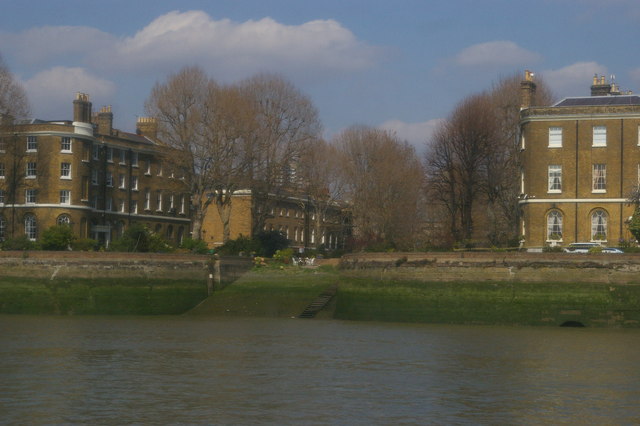
Right you know that middle class thing where you constantly say “ooh I would love to move here” after just about every charming place you’ve ever been to. Well this is my London equivalent. Pier Head in particular is my favourite residential street. Georgian, tick, A bit of bow-fronted action, tick. A sort of square, tick. River frontage, tick. Not entirely surrounded by ponceyness, tick. A wee bit off the beaten track, tick. There is an excellent walk along the river from Canary Wharf to St Katherine’s Dock, on a sunny day with ideal watering holes along the way, but this is the highlight.

3. Chiswick Mall and Hammersmith Terrace, W4
chiswick-estate-agent

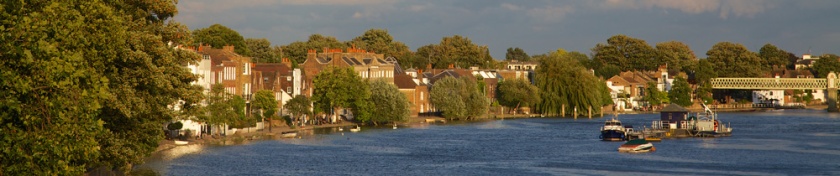
Right the sharp eyed amongst you are going to notice a theme emerging. If it is Queen Anne/Georgian/Regency and on the river and bonkers posh them I am bound to like it. Once again there is a marvellous sunny day walk to be had from Hammersmith Bridge to St Nicholas’s Church in old Chiswick with loads of historical and architectural interest and it is so grand. Especially when the tide is up.

Specifically on this bit is Hammersmith Terrace, 17 Georgian beauties best seen from the river, with multiple literary/publishing associations, Chiswick Mall, and in particular, Said House (the temporary lodgings for Series ! Apprentice “contenders” no less), Bedford House and Walpole House, all with loads of famous past owners, a whiff of the boat building and fishing industries which were here before the toffs moved in, St Nicholas itself where Hogarth is buried and the Fullers Brewery, home of London’s finest beer, and I believe its oldest wisteria.

4. Strand on the Green, W4
500px-strand-on-the-green_panorama

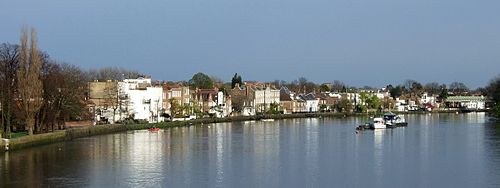
Next up in the extraordinarily pretty West London on the river stakes is Strand-on-the-Green. From old Chiswick above, take a skip through Chiswick House, a neo-Palladian beauty, interior now open, with a cracking modernist caff, and in a few minutes you could be in Thames Road and on to the towpath. Bulls Head or City Barge for a pint and a scoff and admire the houses, a range of styles with some quite prosaic in their way. The very essence of picturesque. Over Kew Bridge and into Kew Gardens. Happy days.

5. Waterloo back streets – Theed Steet, Roupell Street, Whittlesey Street. SE1
waterloo13

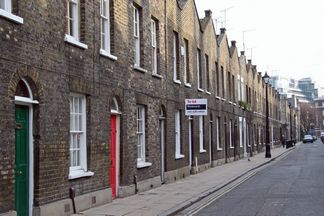
If you nip out of Waterloo down to Waterloo Road, cross over and head down down Sandell Street or Alaska Street then North a few paces (careful there’s Konditor and Cook for a cake on the corner) and you’ll be in Roupell Street. Together with its two terraced neighbours it comes over like a Northern mill village in a Gaskell novel in mid Victorian times. Only without the grime, and the poverty, and the appropriation of labour by evil capitalists in top hats. And now with commuters hurrying through and with well-heeled punters spilling out of the White Hart and the Kings Arms on a Friday night. Oh and these dinky little houses will set you back 2 million quid so more banker than machinist. But it is so pretty.

Talking of little fellas, you know the bit at the beginning of Saturday Night Takeaway when Britain’s premier light entertainment duo Ant and Dec are mopedding along a street – well that was filmed here. That’s how dinky the houses are – even Ant and Dec are in proportion. So next time you are at the National Theatre, Old Vic or Young Vic, (and these together with the Barbican, Almeida, Royal Court, Donmar and Bridge are where the visitor should go for top notch theatre – not the West End), make sure to have a peek if you don’t already know the area.

6. Folgate Street, Fournier Street, Princelet Street, Elder Street, Fleur de Lys Street, Artillery Passage, Artillery Lane – Spitalfields, E1
3aecc1f5bc85226fc82c2b0e93640514

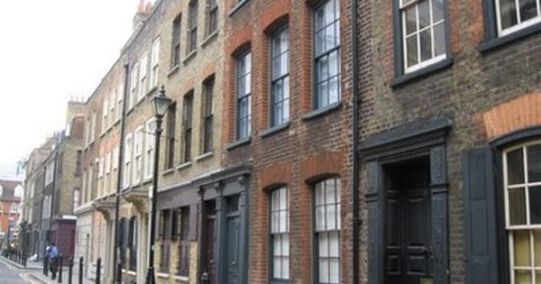
So I cannot choose one street alone in Spitalfields so here is the best of the bunch. Right you kids won’t believe this but I can remember a time when this area was still dodgy. And we used to play 5 a side footie inside the market.

After all the Spitalfields Historic Buildings Trust, beloved saviour of our architectural heritage or devilish promoter of hyper-gentrification,take your pick, was only founded in 1977. And trust me oh bearded ones, before they got to work there was no way you would have been seen in Shoreditch which was even worse.

But the change in the last 30 years ago the change has been off the scale. You all know the story. Fields become a Medieval priory/hospital … then stunning homes (to our eyes if not at the time) for Huguenot silk weavers (and London’s first wave of Irish diaspora) are built – I read someone that a quarter of Londoners come from Huguenot stock but I might have made that up – …. then silk goes down the pan and it turns into a right sh*thole (I have lost count of the number of dodgy “rookeries” in London in the C18) …. until the Jewish immigration of the late C19 begins …. to then be followed in the later C20 by the Bangladeshi community … until finally the creative toffs arrive to “rescue” the buildings.

And once it gets going, blimey it doesn’t stop. So now we have an extraordinarily diverse playground expansing north and east. And for my money, in the streets above, some of the most beautiful houses in the capital.

Anyway you will all know it but next time you’re there take a bit of time to look around and think about the history and all the wonderful people who have lived and worked here. And maybe listen to “We Are London” by Madness whilst you are at it. Off the under-rated The Liberty of Norton Folgate album. Said Liberty of course being right here in Spitalfields. I am mightily pleased with that link.

7. Pond Square, South Grove and The Grove – Highgate N6
48928_hah030015_img_00_0000_max_656x437

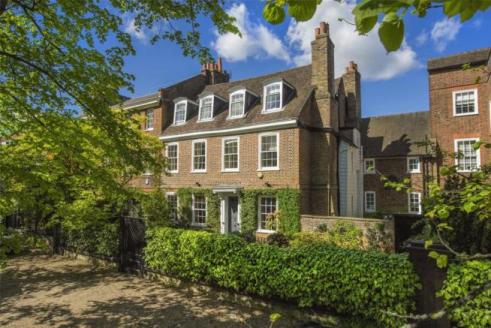
Right now we go properly Heat/Hello/Mail Online celeb sh*te. I wish I could avoid including these renowned Highgate haunts in this list but they are just so lovely. And there is a bit more variation in the housing stock that you might imagine with some tasty modernist inspired stuff on show as well. Anyway no need to bang on here as you all know where it is but if it’s been a while since your last visit I suggest a Sunday morning walk and a spot of lunch.

Crammed with history and views, the rich and famous of Highgate have been stopping it getting f*cked up by planners and developers basically from the Georgian off. If you are canny and take a view on a falling London luxury property market you might get a bargain, semi with change from 10 million quid.

Down the road the Cemetery is always worth a look (the final resting place of Britain’s greatest author – guess who?) but not a patch on its peers at Abney Park (properly Gothic at dusk) or Kensal Green. If you come from the tube be sure to take in Highpoint, Lubetkin’s modernist masterpiece, and if you start going down the Highgate West Hill you will hit the monstrosity that is Witanhurst. Look it up.

8. Rotherhithe Street, SE16
rotherhithe-street-00680-640

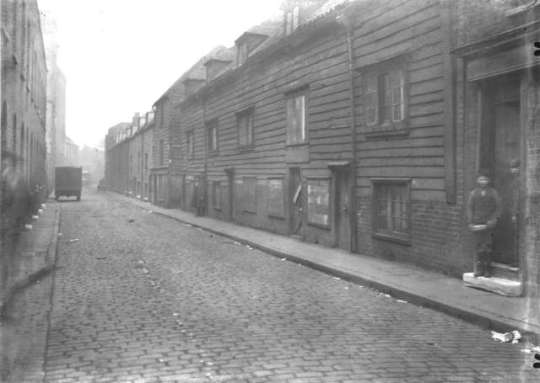
I think this is London’s longest street at the thick end of 2 miles. And it’s a belter. If you haven’t walked along it then do so a.s.a.p. It can, for the most part, be fairly quiet allowing you to properly soak up the atmosphere (to set the scene I have inserted a photo from the 1930s with a bona fide street urchin). Whilst you may not always be right on the river for some of it, you will always be conscious of its presence and therefore of London’s maritime past. Which reminds me, if you have never been to London Museum of Docklands (no shame in that), then get off there immediately. No river, no city simple as that. Makes you wonder why for so long London turned its back on its river (though I guess if it stank and you died falling in perhaps it did make sense in them olden days).

Anyway this street like no other tells the watery story. Obviously when it was called Redcliffe in the heyday C17/18/19 it was another candidate for worst rookery in London. And just as obviously, by the late C20, it had become a stomping ground for the rich, at least the western end. The Mayflower pub, St Mary’s Church Brunel’s Engine House, all together create a perfect period drama location. Indeed, as if to ram it home, there is a production company right here that caters for just that. But the real fun starts as you go east round the bend with the views across the river to Wapping, Shadwell and Canary Wharf, and with the extraordinary range of buildings on this side of the river, some lovely, some interesting and some awful. But mostly sympathetic to the river, in stark contrast to the Vauxhall to Putney riverside developments.

Rotherhithe Street Peters out by Surrey Docks Farm. No need for you to do so though. Keep walking, as close to the river as you can. Deptford, Greenwich, the O2, Thames Barrier, Woolwich, Thamesmead, Crossness Pumping Station (a Victorian marvel), Erith and all the industrial past and present of the other side of London. Not pretty but fascinating nonetheless.

9. Grove Terrace – Kentish Town, NW5
grove-terrace-300x200_22955

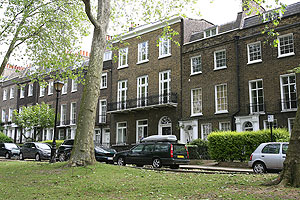
This really is a gem. A row of exquisite Georgian houses opposite the entrance to Parliament Hill on the Tufnell Park/Kentish Town side. But unlike some of the other Georgian streets on the list it is not entirely  surrounded by chi-chi stuff though it is still “eminently desirable”. Go see. And trot up to Parliament Hill which all residents/visitors in London should see 4 times a year in each of the seasons or risk being booted out to the sticks. (No prizes for guessing my favourite view in London).

10. Montpelier Row, Orleans Road, Riverside and Sion Road – Twickenham, TW1
medmontpelier_row

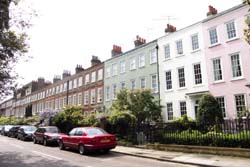
Last on the current list but I still adore it. Another early Georgian terrace but this time of very substantial houses, flat-fronted, in perfect proportion, looking over the jewel that is Marble Hill House and within spitting distance of the river once again. And next door Orleans Road is the servants equivalent as it were, with Sion Road a few hundred yards to the West, another cracking Georgian terrace. Of course the Elysian fields of Richmond, St Margarets, Twickenham and Strawberry Hill have always been a toffs paradise but there is something specifically about this row that I love. It could just be familiarity of course.

So if you are one of the East End youngsters who thinks you need a passport for Zone 6, get off your high horse, front up to your mates and take them to the Swan on the river at Twickenham for a pint or Spritz or whatever you drink now, and then trot along the river back to Richmond. Or nip round to Strawberry Hill House, the extraordinary creation of the delightfully flamboyant Horace Walpole. Or up the road to Mr Turner’s little country cottage (as it was). JMW is without doubt another Top 10 Londoner. Or across the river on the foot ferry to Ham House, the best early C17 house in the Western world – I kid you not.


So that’s your lot. Well maybe not quite. Of course I have many more candidates and I just love lists so here is what is bubbling under, in a vaguely geographical way. When I get round to it I better say why I like these too but right now I need a cup of tea.

Toodle pip.

  • King’s Bench Walk – Inner Temple, EC4
  • Ely Place – Holborn, EC1
  • John Adam Street WC2
  • Frith St and Greek St – Soho, W1
  • South Moulton St – Mayfair W1
  • Wilton Row and Old Barrack Yard – Belgravia, SW1
  • Kensington Palace Gardens, W8
  • Melbury Road – Holland Park, W14
  • Cheyne Walk – Chelsea, SW6
  • Flash and Well Walks – Hampstead NW3
  • Alwynne Villas – Islington, N1
  • Stepney Green East side, E1
  • Mile End Place, E1
  • Paradise Row – Bethnal Green, E2
  • Albury St – Deptford, SE8
  • Ballast Quay – Greenwich SE10

The Glass Menagerie at the Duke of York’s Theatre review ****

33672_full

The Glass Menagerie

The Duke of York’s Theatre, 2nd March 2017

Sorry this is a bit late in the day but this is soldiering on until the end of April and is definitely worth seeing I think.

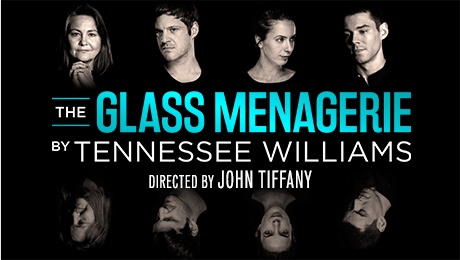
So obviously this is a classic American play from a classic American playwright and this production has been around for a little while now. It was Tennessee Williams’s breakthrough play and in my book more satisfying than the later classics (mind you I have only seen Streetcar Named Desire, Cat on a Hot Tin Roof and Sweet Bird of Youth so I am guessing I am not best placed to judge). It takes the form of a memory play with the protagonist Tom (TW himself- geddit) looking back to a time before he left the home he shared with his histrionic mother and delicate sister. That’s all you really need to know. TW’s writing is as crystal clear and so beautiful and the characters so perfectly described that it is really easy to sink into this.

The production itself is brilliantly lit with the main room of the apartment which the family shared surrounded by inky blackness revealing how their straightened financial circumstances and Laura’s (the sister) agoraphobia and limp have cut them off somewhat from the outside world. The score is also perfect (the chap responsible, Nico Muhly, is one of the best of the current crop of format hopping accessible modern composers). This combination of light and sound intensifies the “dreamy, half-remembered” nature of the events – memory after all is a construct which is imperfect and changes through time. There you go, a little bit of cod psychology for free.

Moreover John Tiffany’s production (he who is behind that Harry Potter play – never ever talk to me about Potter – and Black Watch, which along with the James Plays, is NT Scotland’s finest hour in my view), serves the text very well and is careful to draw out the broader social context (Tom has some monologues to this effect) in which the family find themselves. Actually if you do see this get round to the America After the Fall exhibition at the Royal Academy as well. This play also fits with the themes of optimism and fear which suffused 1930s America (and arguably 1970s America and America now) that the exhibition explores. That is the thing with TW – by looking inwards into the family/friends he shines a light on the wider world around them. And in a much more delicate way than the bang you over the head approach of Arthur Miller (mind you nothing wrong with Miller in my book). Just a thought.

As for the performances. Well Michael Esper as Tom very neatly takes on the heavy lifting that he needs to contextualise events and cleverly captures his ambivalence towards his dependent family and all his frustrations. Cherry Jones is a natural as mummy Amanda, the proper reviews can tell you all about her, and stays the right side of scenery chewing for me. But Kate O’Flynn as Laura is just outstanding. We like her on the telly – she has a face that perfectly reveals the internal machinations of the character – and though I was a bit too far away I felt every second of the excitement and subsequent crushing that followed the visit of the “gentleman caller”, Jim her high school secret crush, which is the pivotal scene. Just so moving.

Anyway time to stop being a gushing luvvie. This is a super play which is well served by this production. Simples.

London theatre update

Focussing on theatre and couldn’t be arsed to put in a photo.

Most of this below post still applies but a few new shiny things have caught my beady eye.

Some ideas for the culturally inclined in London

At the Barbican booking opening for a Japanese version of Macbeth which is apparently a “once in a lifetime” experience. So they have hooked me in easily. And all the Shakespeare Roman plays are coming from Stratford to the Barbican with booking very soon.

Talking of Roman plays the new Bridge Theatre with the marvellous Nicholas Hytner at the tiller will announce its inaugural season on 19th April but has already teased with a Julius Caesar with Ben Wishaw as Brutus. Busy Ben will also be in Against at the Almeida. What with the National Theatre productions of The Madness of King George III, The Cripple of Inishmaan, The Alchemist, England People Very Nice, One Man Two Guvnors, Timon of Athens and Othello through the years Mr Hytner has been the brains behind some of the very best theatre I have ever seen.

The West End transfer of the Almeida Hamlet with Andrew Scott is booking already I think – I got a bit confused. Mandatory viewing if you haven’t already seen it. Hamlet at the Almeida review *****

And the Park Theatre new season has been announced and looks full of goodies to me. I don’t know how they do it but the ideas, writers and cast they attract it tip top. Rabbits, Loot, What Shadows and The Retreat all catch my eye for varying reasons. Take a gander at the website.

Park Theatre What’s On

Right best of what’s on now that I have seen is (in no particular order)

  • The Glass Menagerie at the Duke of York’s Theatre – make sure you are in a Tennessee Williams mindset though (whatever that is) but the production and performances are top notch. mind you the staging requires a close up view I think.
  • The Kid Stays in the Picture at the Royal Court – loved it – The Kid Stays in the Picture at the Royal Court Theatre review *****
  • Ugly Lies the Bone at the National Theatre – have to review this but worth a visit – it is a bit skeletal and needs a bit of meat to flesh it out (sorry this is getting overly carnivorous) but solid performances, sone good ideas and a cracking Es Devlin set.

Yet to see Twelfth Night and Consent at the NT but critics like ’em, same for Who’s Afraid of Virginia Woolf, The Goat and Don Juan in Soho in the West End but sounds like you could easily go a whim to any of these.

Cheers

The Radical Eye at Tate Modern review ***

radical-eye-book-hardback-17733-large

The Radical Eye: Modernist Photography from the Sir Elton John Collection

Tate Modern, 29th March 2017

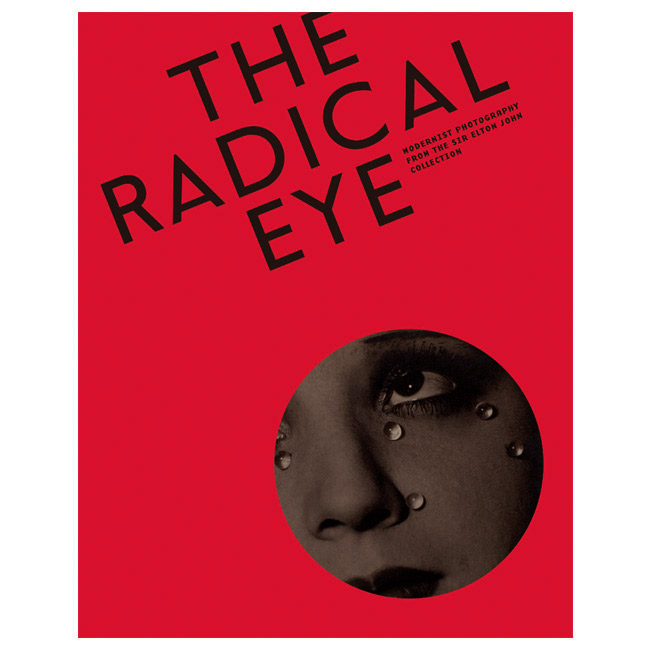
Sir Elton John is a thoroughly good bloke in my book. Firstly, for letting the Tate conjure up an exhibition of iconic works by renowned photographers (Man Ray, Dali, Kertesz, Strand), secondly for not coming over like a pretentious kn*b when explaining why he started buying them in the video that accompanies the exhibition – essentially because he liked them and it helped him get over the booze – and thirdly because he intends to gift the collection in time I gather. I can even forgive him for accepting the invitation from Kate Bush to sing on the Fifty Words for Snow album (mind you Stephen Fry should also have put the phone down). Though to be fair it is Kate’s fault for asking and my theory is she deliberately makes these lapses of judgement to confuse us into thinking she is human and not actually a god.

Having said that the house where Sir Elton displays them could do with a bit of colour accessorising in my view – there is a whiff of show home here. As perhaps could this exhibition. There are some absolutely stunning images here make no mistake, but they are all so perfect in pristine black and white, whether portraits, nudes, landscapes, close ups, surrealist mash-ups or still lifes, that in the end I was overwhelmed rather than engaged. The “coffee table book syndrome” that can often hit me in photography exhibitions came fast and came big. It is entirely my fault but I just ended up needing a hit of paint (mmm a bit of Doig would have done the trick if I had time – I know, I know now who is the pretentious kn*b).

If you know what you are looking at then I gather this is the bee’s knees. If you are a casual observer is it worth a whizz round? Yes. But if I only had time for one in Tate Modern right now the Wolfgang Tillmans would get my vote. Nothing pretty about most of his photos but way more to chew on.

The Kid Stays in the Picture at the Royal Court Theatre review *****

kid-stays-in-the-picture-royal-court-4291

The Kid Stays in the Picture

Royal Court Theatre, 30th March 2017

So another of life’s minor annoyances caused by devoting too much time to work and not enough time to expanding the cultural horizons. I confess I have not read Robert Evans’s eponymous autobiography on which this play is based and therefore knew nothing about him. This clearly now looks like a massive oversight and will be put right tout suite. It is a fascinating story and it is pretty much immediately clear from the off why the genius Simon McBurney and Complicite have worked so hard to bring this story to the stage (with help from some big names in cinema).

Now all you theatre lovers will know full well how much of an asset Mr McBurney OBE is to the human race. For us lesser mortals you have likely seen him in a few films (Allied, Mission Impossible, The Theory of Everything, The Last King of Scotland which I recently watched), and a bit on the telly (Vicar of Dibley and Rev for example). Now I assume these were to pay the bills and fund the adventures with Complicite which he co-founded. Most recently he created Beware of Pity in conjunction with Schaubuhne Berlin at the Barbican (no review from me as it went in the blink of an eye but an astonishing five star tour de force) and The Encounter which I also saw at the Barbican last year and which was again a staggeringly clever piece of theatre.

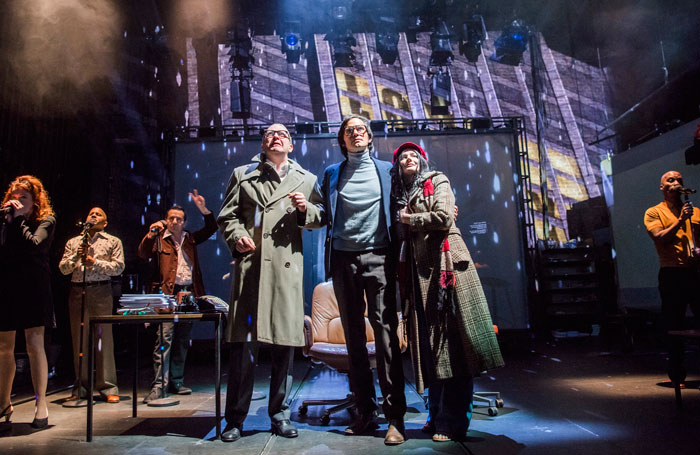
Now this piece uses all the tricks for which he is famous. Video on stage, recorded video, close ups of other media, music and sound collages, lighting effects including brilliant use of silhouetting, actors telling the story through microphones rather than drama per se, multiple parts. It is an astonishing technical feat to have pieced all this together – even a dummy like me can see that. Given however that this is in essence therefore just telling the first person story, in a very cinematic way, of what is on the page in the autobiography, I can see why some of the professional reviewers got a bit sniffy about whether this is proper theatre. Me I couldn’t give two hoots about the genre bending when the story is this captivating and when it is delivered at this pace. At the risk of sounding like a patronising old git (actually no risk at all for when the cap fits) I would highly recommend this to those who are not natural theatre goers but who do love their cinema.

This is not simply because of the content (Robert Evans was largely responsible for the rise of Paramount Studios in the 1960s and !970s and the driving force behind the likes of Rosemary’s Baby, Love Story, The Godfather and Chinatown) but also the style. There is a debt of gratitude to the likes of Citizen Kane and films from the early days of cinema, as well as to noir with the “voiceovers”, but Complicite also manage to capture this era of great “New Wave” cinema making when big characters made big films with big issues at their heart (not the silly CGI fantasies too often spat out by modern Hollywood). There is no real development of the characters so I think I now know what Robert Evans and other caught up in his story got up to (a rise and fall morality tale), though not really why, but frankly it didn’t matter to me. I just got mesmerised by the story.

So there you have it. Please go and take a look. It isn’t the typical Royal Court fare where the writer is everything (and that is why it is a precious institution) but it is still a rollickingly good evening and they even let you out for a comfort break halfway through.

P.S. This did bring to my mind two other recommendations. Firstly if you have never read Suspects by the film journalist David Thomson, please do. He takes renowned characters from cinema’s past and weaves imagined back-stories for them. Marvellous holiday reading. And secondly if you are a youngster and have never sat down and watched the Godfather trilogy please put this right. I accept that by Part 3 Al Pacino is having to make herculean efforts to prop up a creaky plot but Parts 1 and 2 are about as good as film gets. Ask your Dad if you don’t believe me. If he doesn’t agree get a new Dad.

English National Ballet at Sadler’s Wells review ***

mqdefault

English National Ballet

Sadler’s Wells, 26th March 2017

So there I am sitting at a performance of Steve Reich classics a few months ago. In front of me is some twenty something with an open tablet nodding his head up and down like he’s listening to Metallica. Utter p*ick. Anyway once I and another granddad had given him what for he, ungraciously, desisted, but I was still in a gruff mood.

So for the second half I move and find myself next to a lovely lady who looks exactly like I imagine a retired ballet dancer would look. We start chatting and, lo and behold, she is a retired ballet dancer and, I gather, was a principal no less who still teaches. Anyway I tell her in the course of our interval chat that ballet is not really my cup of tea. But she tells me that I must go and see this performance (given I like minimalism, Beethoven and Stravinsky which essentially provide the soundtrack to this gig).

Well all I can say is that I am very grateful to this delightful woman. Thank you. Turns out LL who also knows a thing or two about ballet would recommend this too.

Now first things first. If you have a pathological hatred of the cultured, London, metropolitan elite then I strongly advise you steer clear of the ballet at Sadler’s Wells. Blimey, these people clearly know what they are about. I stood out like a sore thumb with my utter lack of fashion sense and graceless movement.

So I gather the first piece, William Forsythe’s In the Middle Somewhat Elevated, is a modern classic. I loved the thumping 4/4 electro soundtrack (anyone remember Cabaret Voltaire) and could see how some of the movement must have been revolutionary when first seen. But I did drift out a bit, in a way that has happened before with dance.

The second piece, with 3 couples, Hans van Manen’s Hammerklavier Adagio, was disappointing I am afraid. The slow movement from Beethoven’s Sonata No 29 can drag on for an eternity in the wrong hands and so it did here. It needs real skill to preserve the line of the music and this felt just too slow, I am guessing in order to match the choreography. Maybe it wasn’t, but listening to my faves, Pollini, Gould and Brendel. playing the same movement, is satisfying in a way this wasn’t. So I couldn’t really grasp the piece because of this. Sorry.

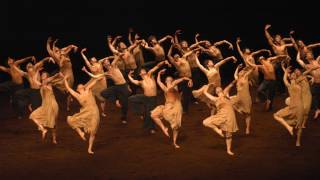
However, the final piece, a Rite of Spring choreographed by Pina Bausch, was a revelation. Obviously this is one of the greatest pieces of music ever written and the band rose to the occasion (though not approaching the heights of the Philharmonia’s take under Salonen last year which was off the scale brilliant). But the dancing. Blimey. Now I see what all the fuss was about. I was up in the gods (having actually moved backwards from a ludicrously uncomfortable seat with no legroom whatsoever, presumably everyone who goes here is a skinny rake), and so could see the whole spectacle.

Now it may be that this is what the Rite of Spring always does to you when seen as a ballet (I have only ever heard concert performances or recordings). But I suspect based on what I have read about the awe in which Pina Bausch’s version is held that this was a bit special. Anyway I was gripped. I just had no idea that ballet could be like this. Pulsating, menacing, primordial, savage and really sexy. I am not sure who was the dancer who played the sacrificial victim (what a chump I am) but she was brilliant.

So if all ballet was like this piece count me in. If all ballet was like the other two pieces then I cannot be converted.