
A View from the Bridge at the Royal and Derngate Theatre review ****

A View From The Bridge

Royal and Derngate, Northampton, 24th October 2019

The Tourist’s last exposure to Arthur Miller’s oppressive tale of an ordinary man brought low by his particularly disturbing brand of hamartia was Ivo van Hove’s stripped bare psychodrama with Mark Strong at his very best as Eddie Carbone, alongside Nicola Walker as wife Beatrice and Phoebe Fox as woman-child orphan niece. Miller’s debt to the Greeks is rarely hidden. Here Ivo and Jan Versweyveld didn’t spare us one iota of gut wrenching intensity as Eddie tumbled into his hell of shame and betrayal.

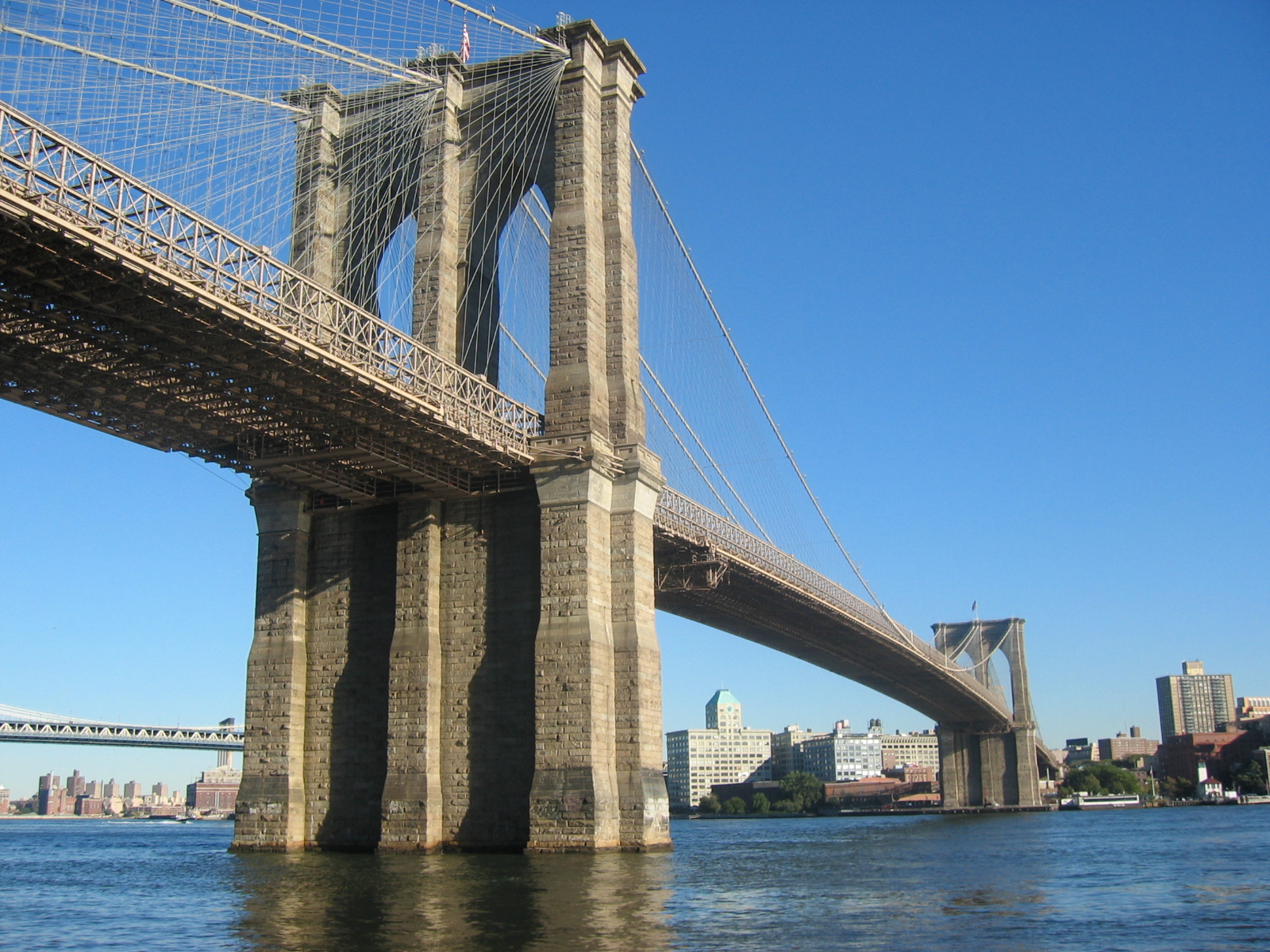
Juliet Forster, the Associate Director at the York Theatre Royal, the co-producer, takes a more traditional, naturalistic path, with an Eddie in Nicholas Karimi who, as his disgust at the passage of Catherine, (Lili Miller in a commendable professional debut), from child to woman and her relationship with the, in his eyes, effete Rodolpho, (a nuanced Pedro Leandro), boils over, lashes out with tragic consequences. Robert Pickavance as the lawyer Alfieri, the chorus who frames the story, locates us slap bang in 1950s Red Hook, the Italian-American neighbourhood in the shadow of Brooklyn Bridge, dominated by the longshoremen who work the docks and their families. Rhys Jarman’s set, enclosed by steel beams and metal staircases, slips unobtrusively from the main room of the apartment where the Carbones live, and where most of the action takes place, to the docks themselves and Alfieri’s office. Aideen Malone’s lighting creates atmosphere without gloom and Sophie Cotton’s sound accents appropriately.

Eddie’s repugnant desire for Catherine, and the dearth of physical intimacy with Beatrice are not underplayed, but it is the way in which this represses and displaces his ungovernable emotions, mixed up with the machismo of his Sicilian background, that powers the obsession which breaks him. We cannot empathise with Eddie, he is wrong, but we can see how he is what he is. The more he strives to preserve his reputation and honour the more they dissolved.

The plight of the immigrant, the uncertainty of work, home and status, the conformity of community, the role of the law, gender stereotyping, all themes with relevance, and which Miller is careful to explore, are underplayed here in deference to the plot. There are some very fine supporting performances not least from Laura Pyper, whose dignity and commitment to her man never wavers, and especially, Reuben Johnson as Marco, the virtuous elder of the cousins, whose restraint when talking about the family he has had to leave behind contrast with the explosive anger he lets loose when he finds out that Eddie has denounced him and Rodolfo to the authorities.

So all the elements are there in this production, the pacing is never hurried, the lines are never snatched, the tension builds progressively. It just lacks the punch that comes from great Miller interpretations. Solid if not spectacular. But with Miller that is normally enough. Though clearly not for the numbnut who felt the need to unwrap a few sweets in the last 20 minutes or so at the back. You wonder why he didn’t just stay at home in front of the telly.

The Cane at the Royal Court Theatre review ***

The Cane

Royal Court Theatre, 21st January 2019

Somehow, until now, the Tourist has failed to see any of the work of Mark Ravenhill, either as writer, performer or director, or even his columns in the Guardian, surprising given the Tourist’s status as a paid up Guardianista. There was a recent revival of his breakthrough play, Shopping and Fucking, at the Lyric Hammersmith, but sadly the performance the Tourist signed up for was cancelled. (Made worse by the fact that the Tourist had gone straight to the theatre from an outing elsewhere during a period of deliberate mobile phone estrangement. It should be possible to chuck the bloody thing away, and to this day the Tourist doggedly persists without data, ring-tone or any social media, but realistically the everyday organisation of modern life prohibits a complete embargo. That, and the unhealthy compulsion to surf free wi-fi so as to rubber-neck the latest instalment in the Brexit car-crash).

Anyway the chance to see Mr Ravenhill’s latest play, after a hiatus of many years, at the ever reliable Royal Court, and its apparent subject, the education system, was not to be missed, and the SO agreed. Especially when directed by RC AD Vicky Featherstone and with a cast comprising Alun Armstrong, Maggie Steed and Nicola Walker. You will know all three off the telly, but their stage appearances are all too rare, though Maggie Steed was in the first instalment of Jamie Lloyd’s current Pinter anthology, and it was a privilege to watch Nicola Walker’s brand of nervy, restless emotional plasticity being applied to the role of Beatrice in Ivo van Hove’s A View From The Bridge.

Vicky Featherstone kicks off proceedings at a fair lick as we learn that Edward’s (Alum Armstrong) retirement as a teacher after 45 dedicated years is being disturbed by his historical engagement with capital punishment and by his school’s imminent takeover by an academy. There is a mob of kids outside Edward and Maureen’s (Maggie Steed) house and their estranged daughter Anna (Nicola Walker) has now turned up. It is a somewhat improbable set up but no matter. Mt Ravenhill uses this as a jumping off point to explore the uneasy relationship between the fretful couple and their seething daughter, how we apply the morality of the present to actions in the past, how much responsibility an individual should assume, and how much an institution, for excessive punishment and how violence and disciple become conflated, accepted and even internalised,

Within this tricky web Mark Ravenhill, using precise and considered language, cleverly shifts moral perspectives around and between the questions and the characters, sometimes even on a line by line basis. He asks a lot of questions but is never so crass as to give clear answers. There is a constant undercurrent of tension and hostility fuelled by the subject matter, and the symbolic cane, the weight of the past and the menacing family dynamic, visually realised in Chloe Lamford’s off-kilter, grim, and increasingly claustrophobic, set. The three actors are superb in the way they draw us in to this queasy moral maze. The looks they give each other, the barbs that they spit out, the arguments they advance and retreat from, the flashes of violence and acquiescence, all are expressively portrayed. However, over the unbroken 100 minutes or so, the flaws of all three characters become unremitting, the premise becomes over-stretched and just a teensy bit too slippery and the dialogue just a bit too predictably adversarial.

It made us squirm, it made us think and the acting is top notch. But this is a play that deliberately sets the audience outside its world. Fair enough but it might have worked better for us in more concentrated form, or with some eventual solid pay-off to all the rug-pulls and hypocrisy exposures.