
Two Trains Running
Royal and Derngate Northampton, 12th September 2019
Another instalment in August Wilson’s Pittsburgh cycle though, four in, the Tourist still has some way to go. Two Trains Running premiered in 1990 and is set in the turbulent 1960s – remember each of the ten play series covers one of the decades of the C20 and all bar one (Ma Rainey’s Black Bottom) are set in the Hill District of Pittsburgh.
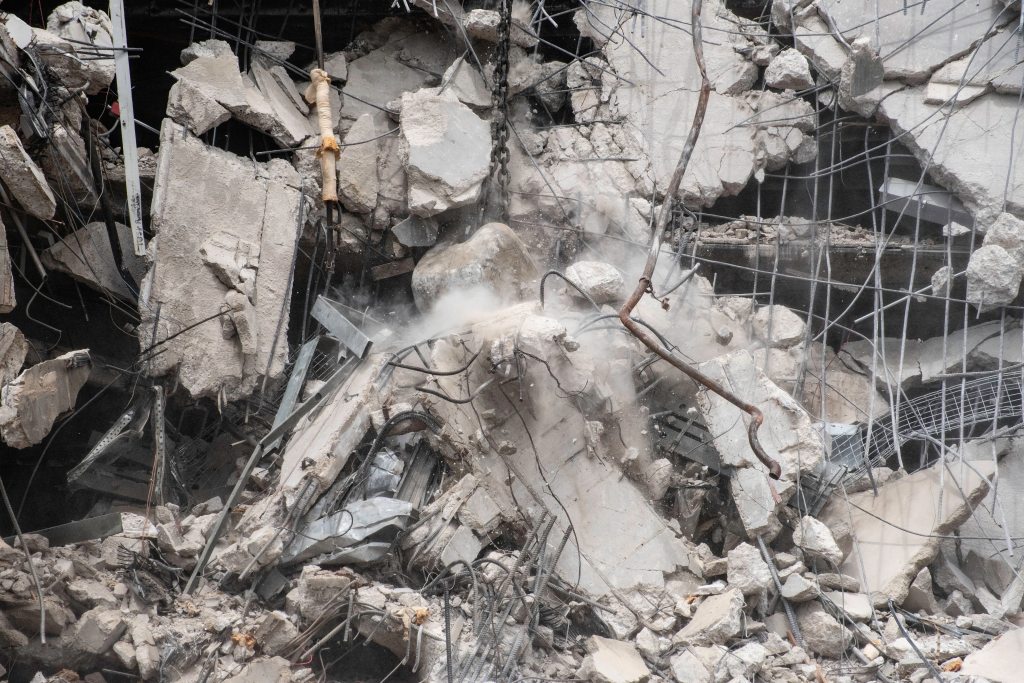
All the action in TTR, well words really, for August Wilson’s plays prize dialogue and character over plot, both their strength and their weakness, takes place in 1969 in the neighbourhood diner owned and run by Memphis Lee (Andrew French). The 1960’s saw the economic decline of the Hill District, once a byword for prosperity and cultural relevance in Black America, accelerate, prompting intervention from the Pittsburgh Urban Development Authority. Vast swathes of the neighbourhood were demolished to be replaced by a white elephant Civic Arena and failed public housing projects. Many residents were displaced and the redevelopment became an object lesson in how not to do “urban renewal“. Memphis’s business has seen better days but now he is holding out for the price he thinks it is worth from the City authorities, not just for the money but also to take a stand for the overlooked and disparaged community. He dreams of returning to his Southern roots from where he and so many others were compelled to escape in earlier, darker, decades. Frankie Bradshaw’s set captures this transition with the beautifully detailed diner sporting a hole in its roof above which is suspended a massive wrecking ball.
Memphis is assisted by cook and waitress Risa (Anita-Joy Uwajeh) who constantly has to push back against her boss’s criticism and the sexist comments and assumptions of the regulars. These include the assured West (Geoff Aymer), the local undertaker whose business is thriving, hustler Wolf (Ray Emmet Brown), who uses the diner’s phone to run a numbers racket, and the stoic Holloway, an unemployed painter and decorator, (Leon Herbert). Most poignant though is Hambone, (the excellent Derek Ezenagu), brought low by his obsession with getting fairly paid by the white butcher customer for work he did twenty years ago. The outside world relentlessly encroaches upon the lives of the company, first when the animated ex-con Sterling (Michael Salami) returns to the Hill looking for work and for Risa, and as the rallies, protesting racial injustice, increase in intensity.
Impossible to fault all the performances or the careful direction of Nancy Medina, who was similarly adept with Dael Orlandersmith’s Yellowman at the Young Vic and, I gather, Inua Ellams’s The Half God of Rainfall at the Kiln. Easy to see why she has won both the Peter Hall Directors Award and the Genesis Future Director Award. The lighting and sound design from other young talents Amy Mae and Ed Lewis was equally accomplished. Which means the somewhat discursive nature of events of stage is down to August Wilson alone. That is not to say that the lyrical dialogue, what and how the characters say, isn’t pitch perfect. Just that there is rather to much of it. Too many layers if you will. This is true of the other plays in the cycle I believe but here the contrast of individual reversals with societal transformation is just a little too carefully wrought.
As a production it matches the high standards previously set by English Touring Theatre. As a play maybe not quite as convincing as the others in the cycle I have seen. Still very keen to see further instalments however and given the resonance of the parts that AW wrote for black actors I expect I won’t be waiting too much longer for just such an opportunity.
 At Home He Feels Like A Tourist