
Holy Sh!t
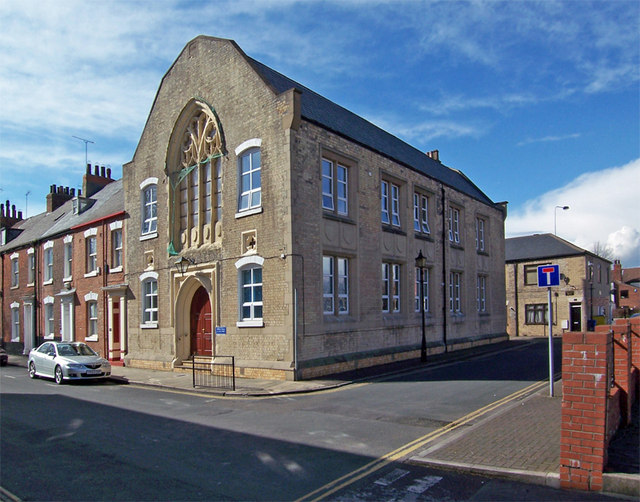
Kiln Theatre, 19th September 2018
Their exclamation mark not mine. Even at my age I get a vicarious thrill out of swearing to cause offence. A little bit of punk attitude remains I like to think.
Actually, on the subject of manufactured offence, I gather there have been picket lines outside the newly re-opened Kiln Theatre objecting to its change of name. Really? Like the Tricycle wasn’t a bit of a daft name to begin with. Maybe if the artistic team, led by the redoubtable Indhu Rubasingham, had ditched some connection to the building’s history, the Foresters’ Hall, I could see the point, but the original Tricycle didn’t even start here. Anyway what we now have is an absolutely wonderful space. The Kiln, in terms of design, comfort and facilities, has easily catapulted itself into the leading local, large, fringe theatre in London. All the scaffolding bric-a-brac of the interior is gone, sight-lines are optimal upstairs and downstairs, leg-room is good, seats plush and wide enough for the Tourist’s ample rear. The performing space is intimate yet airy, as are the bar and restaurant, with the main entrance now matching the box office side. Staff tip top friendly as ever. The SO loved it, even convincing herself that the trek to urban Kilburn was “easy”.
And if Holy Sh!t is anything to go by, this season is shaping up to be one of Ms Rubasingham’s best. I like the look of the next two productions, White Teeth (based on the Zadie Smith novel) and Approaching Empty, and the new season, just announced, has such goodies as the UK premiere of Florian Zeller’s The Son (Zeller was a Tricycle “discovery”), Inua Ellams (Barber Shop Chronicles) latest work The Half God of Rainfall which sound bonkersly ambitious, Wife, connected with Ibsen’s Dolls House, which also looks similarly progressive, and When the Crows Visit, this time with Ghosts as an inspiration, and which looks set to add to a fine run of plays bringing modern India to the London stage. Oh, and if that weren’t enough, Sharon D Clarke in a blues musical revival. If you haven’t see her in Caroline, or Change, reprising at the Playhouse Theatre, then you are, I am sorry to say, a ninnyhammer.
I only know writer Alexis Zegerman from her role in Mike Leigh’s Happy Go Lucky but she can plainly wield a pen. Now I can see why some might think Holy Sh!t is a little overwritten, It identifies, and then takes aim, at its target demographic, and I mean target in both senses here, and doesn’t let go. Two couples, web designer Sam Green (Daniel Lapaine) and journalist Simone Kellerman (Dorothea Myer-Bennett), and teacher Nick (Daon Broni) and marketeer Juliet Obasi (Claire Goose), are forty-somethings whose friendship is put the test when they “compete” to get their daughters into St Mary’s, a North London Church school. Sam and Simone are liberal Jews though Sam now professes atheism, Nick is of Nigerian descent and Juliet is happy to turn up her Catholicism dial when it suits. The play starts off with a little too much forced exposition but once it gets into its stride, and moves beyond the par for the course comedy of manners, it doesn’t hold back using the four characters ethnicity and religion to expose the hypocrisy and prejudice that lie beneath their cultural liberalism as well as the lengths they will go to to protect themselves and their children.
I can’t pretend it is subtle, at times everyone gets a bit hysterical and the set-ups test credulity, but it does have killer line after killer line which left us (the SO agreed) hooked. It is the accumulation of well observed, and often funny, detail that made us forgive some of the crasser ploy mechanics. By the end, when Nick delivers his powerful rejoinder to the perceived victimhood of the other three, I did care about these people even as I recognised the forced stereotyping in their creation. Ms Zegerman has packed a lot of observation into the play, which is after all a comedy, and if some of it lands a little too heavily I didn’t object. I was still royally entertained. There is a whiff of Yasmina Reza about Ms Zegerman’s writing; you know you are being guided a little too forcefully down the corridors of her imagination but there is more than enough to see and enjoy along the way.
Ms Rubasingham’s brisk direction helped ensure the comic energy wasn’t dissipated whilst still making the points and Robert Jones served up pitch perfect (and flexible) aspiring metropolitan interiors. Dorothea Myer-Bennett was the standout performer the last time I say her at the Orange Tree (The Lottery of Love at the Orange Tree review ***) and once again she edges it. She captures Simone’s air of brisk certainty which contrasts with Claire Goose’s (Twitstorm at the Park Theatre review ***) more hesitant character. At first it is a little hard to believe they would be university friends but, as the tension escalates, their dependency does become more convincing. Daon Broni, who we last saw in the somewhat underpowered Slaves of Solitude, (Slaves of Solitude at the Hampstead Theatre review ***), was the most sympathetic of the four with Daniel Lapoine, (last seem by me in The Invisible Hand on this very stage), probably the actor who suffered the most from having to pull all of Sam’s traits into a believable whole.
So a production definitely worth seeing in a theatre definitely worth seeing. The first of many to come I’ll wager.
 At Home He Feels Like A Tourist